Writing
I’m an anthropologist by training, which for me means I spend a lot of time thinking about what the everyday (or what some might consider the unremarkable) teaches us about larger patterns and processes of inequity, survival, and resistance. In all my work, I am interested in questions and narratives about Black people, survival, and care. And relatedly, in methodological questions concerning how we write/think/talk about Black people, survival, and care. Currently, this shows up in work that critically examines the role of food and food corporations in Black lives and neighborhoods. I am interested in not only food as nourishment but also as metaphor and proxy for how Black people know and understand ourselves. This interest also takes me into exploring how medical, public health, and general “do good” organizations use food as a means to demonize or “fix” Black people’s consumption and bodies. Beyond food, I am also broadly interested in how Black people create safe, enjoyable, intimate, sustainable places. Some of my interest is material: how does X city/neighborhood/corner function in the lives of Y people? But some of it beyond (though not unrelated to) the material: how do nostalgia, memory, and imagination shape what we experience or think is possible in this particular space?
This has shown up in many ways: research and writings about diabetes and health disparities, religiosity and depression, and HIV/AIDS ministries at historically Black churches. Over the past decade, the majority of my time and efforts have been focused on food access, food justice, and related advocacy work with Black farmers and Black food justice organizations.
I am also interested in critically examining ethnography as a method. I owe a lot of my thinking about ethnography to Black feminist thinkers and writers both within and outside of anthropology: Aimee Meredith Cox, Dana-Ain Davis, Bianca Williams, Savannah Shange, Erica Williams, Christen Smith, Johnetta B. Cole, Christina Sharpe, Saidiya Hartman, Katherine McKittrick, Jessmyn Ward, and so many others.
I’m lucky to have gotten to explore a lot of my interests in various publication outlets. You can check out some of my academic articles and essays below.
Books
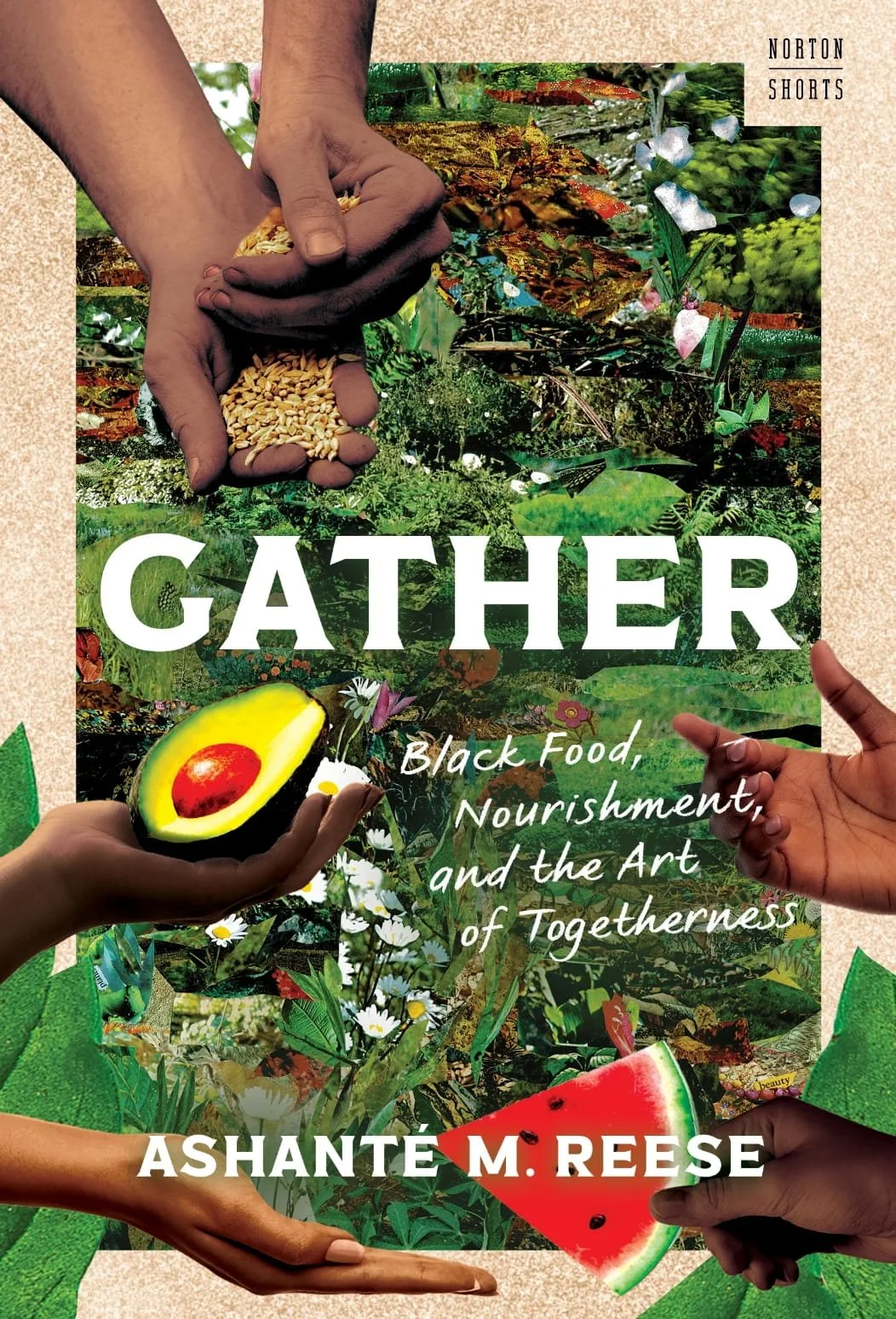
“In Gather, Dr. Ashanté M. Reese serves us a warm plate of berry pie while reminding us that the food justice we seek is among us already. If we are going to build a world where no one’s needs are unmet, Reese argues, we need to move beyond our echo chambers and wake up to the answers that have been right here all along.”
Leah Penniman, Co-Founder of Soul Fire Farm, and author of Farming While Black and Black Earth Wisdom
-
“Gather is a luminous, deeply felt meditation on nourishment, memory, and collective care. With grace and rigor, Dr. Ashanté M. Reese invites us to reconsider what it means to feed and be fed—body, spirit, and community alike. Moving between kitchen tables, gardens, and reunions, she reminds us that the struggle for food justice is also a struggle for belonging and freedom. This book is both testimony and offering: an archive of Black aliveness and a blueprint for how we might all live more tenderly, more intentionally, and more together.”
Bryant Terry, James Beard and NAACP Image Award–winning author of Black Food and Vegetable Kingdom
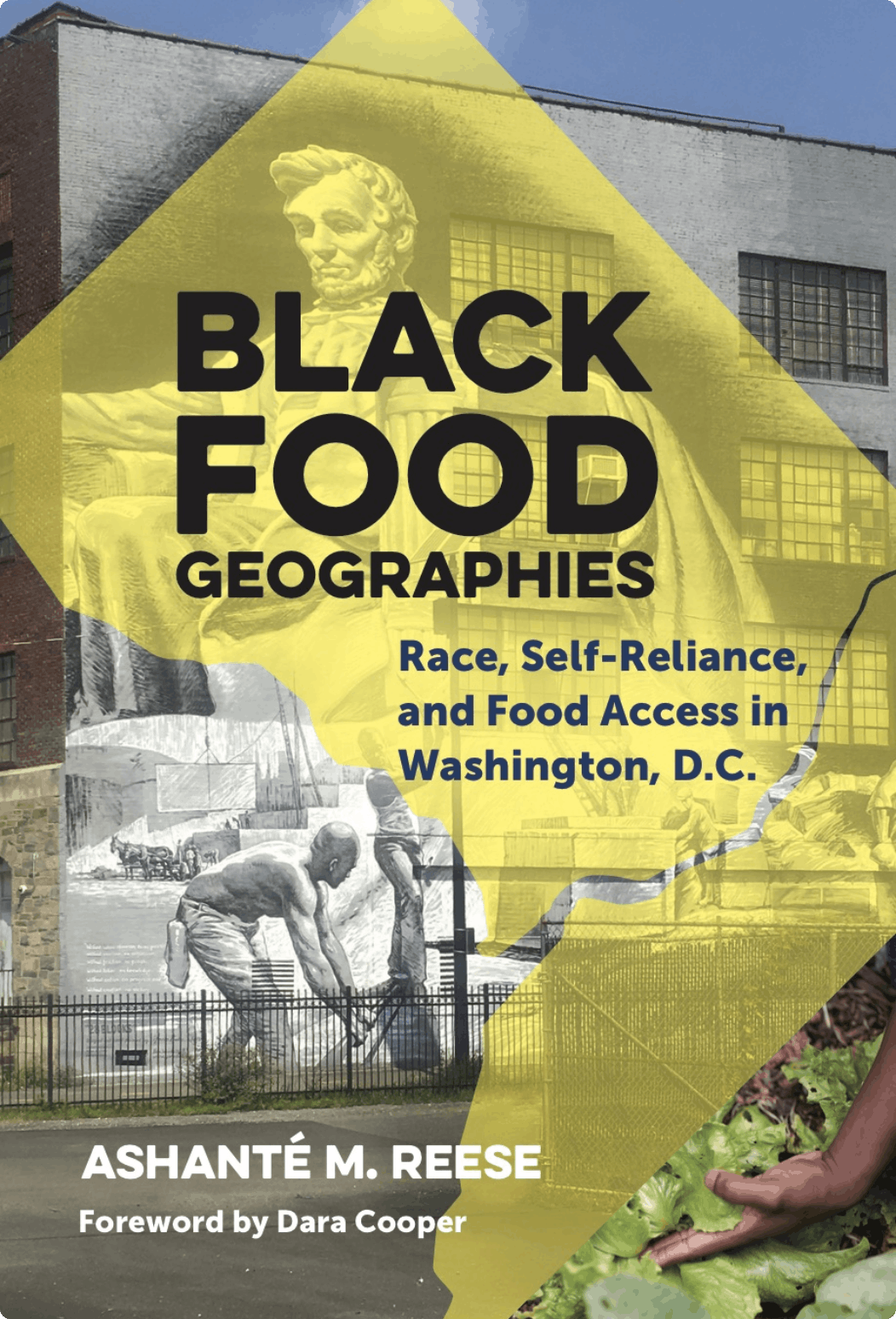
2020 Margaret Mead Award, American Anthropological Association and the Society for Applied Anthropology
2020 Association for the Study of Food and Society Book Award
"A thought provoking and often mouthwatering discussion of food values that have endured in spite of the discontinuities that have persisted since slavery."
Ethnic and Racial Studies
-
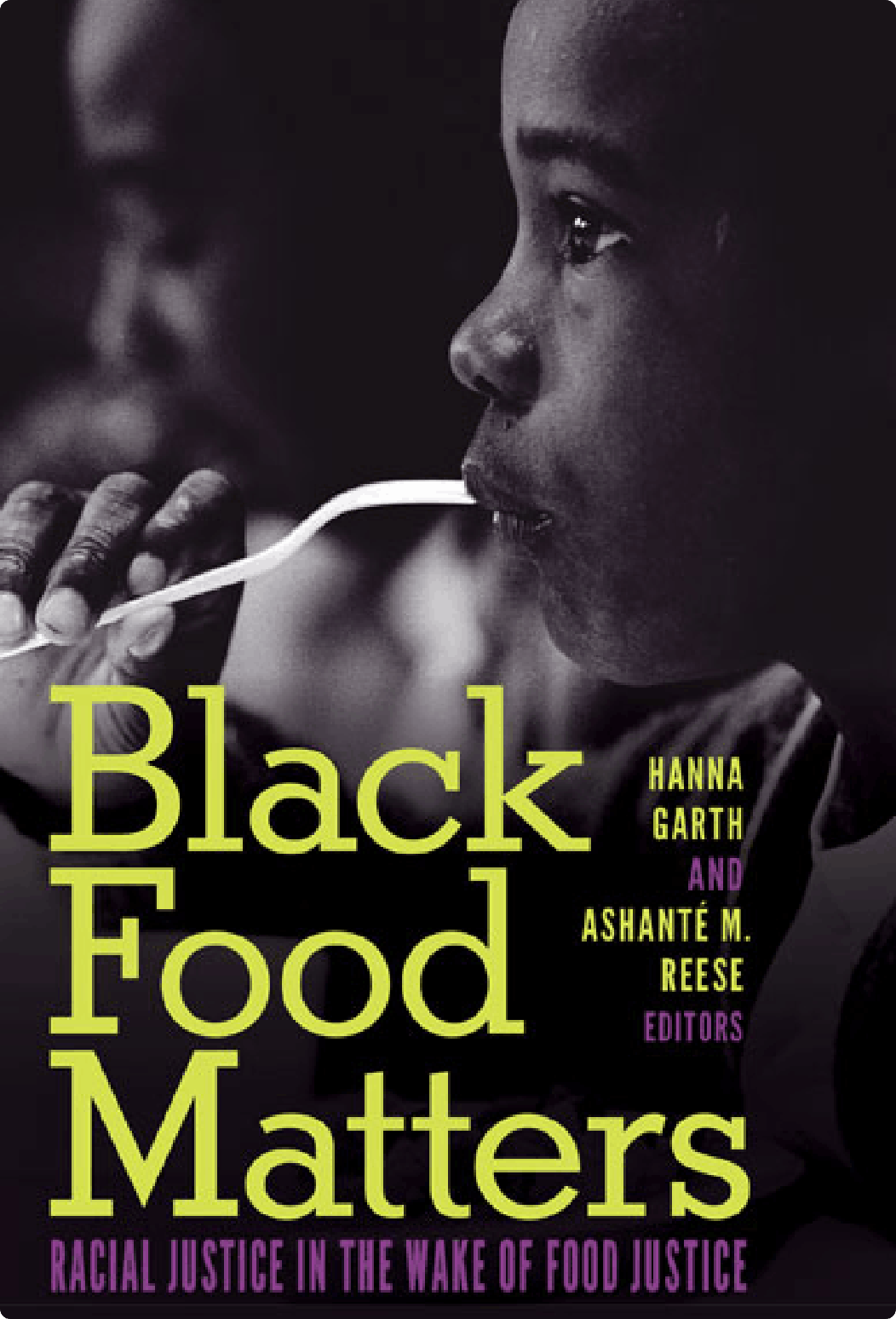
"Mediating between the thread to Black food culture and a celebration of it, Black Food Matters centers Blackness in a field that has too often framed Black issues through a white-centric lens, offering new ways to think about access, privilege, equity, and justice."
Antipode
Contributors: Adam Bledsoe, U of Minnesota; Billy Hall; Analena Hope Hassberg, California State Polytechnic U, Pomona; Yuson Jung, Wayne State U; Kimberly Kasper, Rhodes College; Tyler McCreary, Florida State U; Andrew Newman, Wayne State U; Gillian Richards-Greaves, Coastal Carolina U; Monica M. White, U of Wisconsin–Madison; Brian Williams, Mississippi State U; Judith Williams, Florida International U; Psyche Williams-Forson, U of Maryland, College Park; Willie J. Wright, Rutgers U.
For Black Americans, the food system is broken. When it comes to nutrition, Black consumers experience an unjust and inequitable distribution of resources. Black Food Matters examines these issues through in-depth essays that analyze how Blackness is contested through food, differing ideas of what makes our sustenance “healthy,” and Black individuals’ own beliefs about what their cuisine should be.
-
Primarily written by nonwhite scholars, and framed through a focus on Black agency instead of deprivation, the essays here showcase Black communities fighting for the survival of their food culture. The book takes readers into the real world of Black sustenance, examining animal husbandry practices in South Carolina, the work done by the Black Panthers to ensure food equality, and Black women who are pioneering urban agriculture. These essays also explore individual and community values, the influence of history, and the ongoing struggle to meet needs and affirm Black life.
A comprehensive look at Black food culture and the various forms of violence that threaten the future of this cuisine, Black Food Matters centers Blackness in a field that has too often framed Black issues through a white-centric lens, offering new ways to think about access, privilege, equity, and justice.
Essays
Fish Grease & Guitar Riffs
An Agricultural History of Cop City
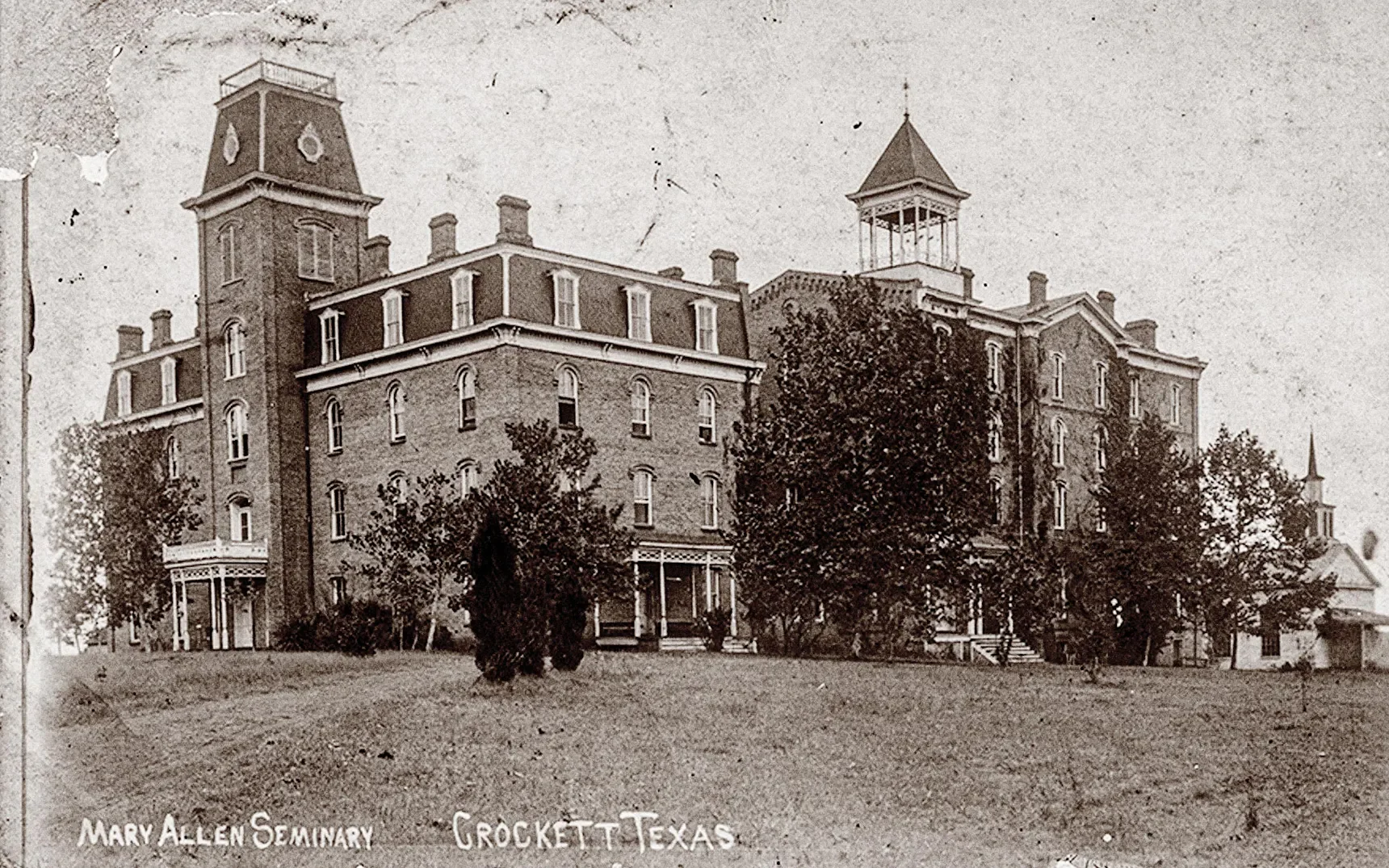
Texas’s First College for Black Women Lies in Ruins. Can It Find a New Purpose?
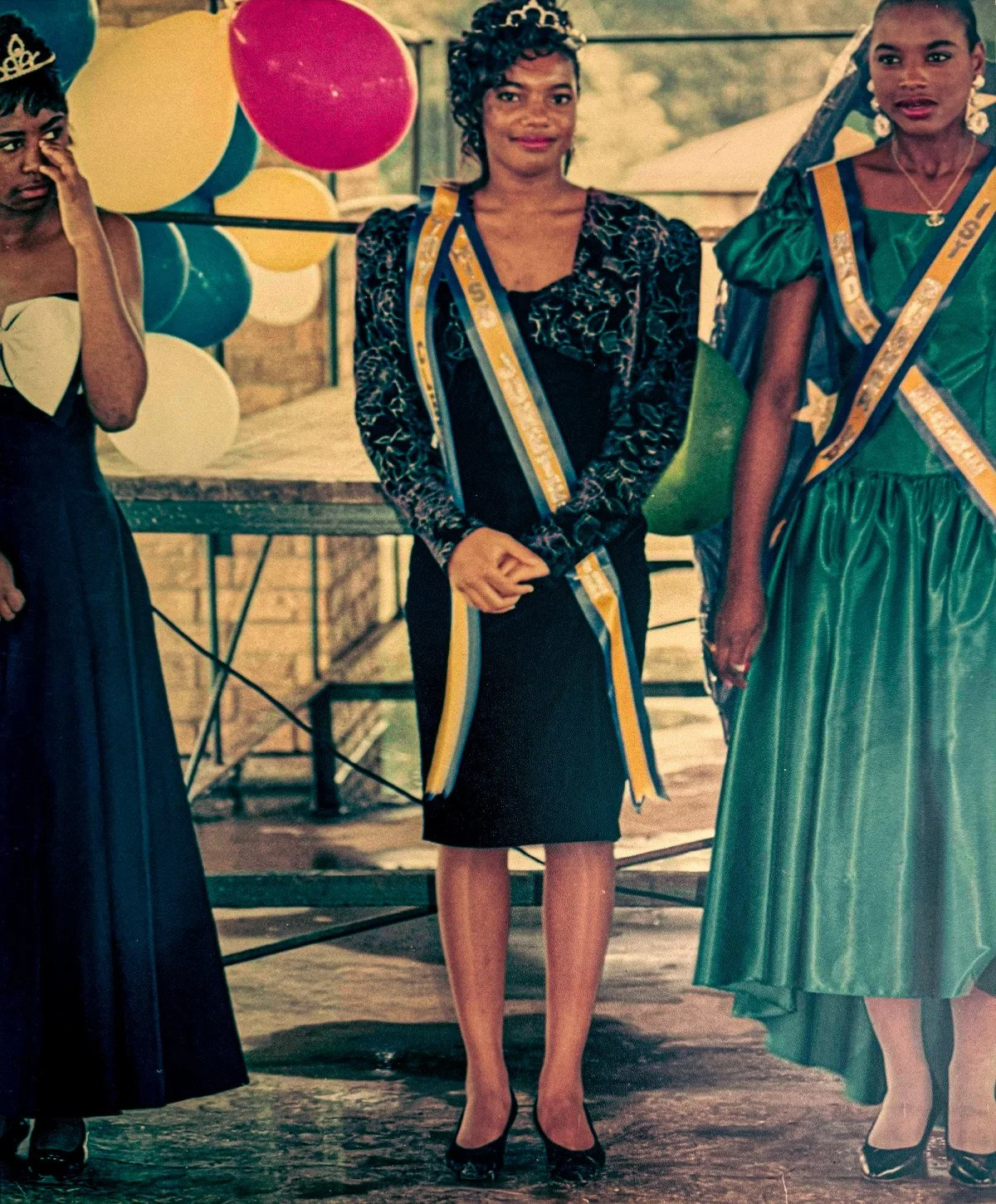
Miss Juneteenth
Tarry with Me
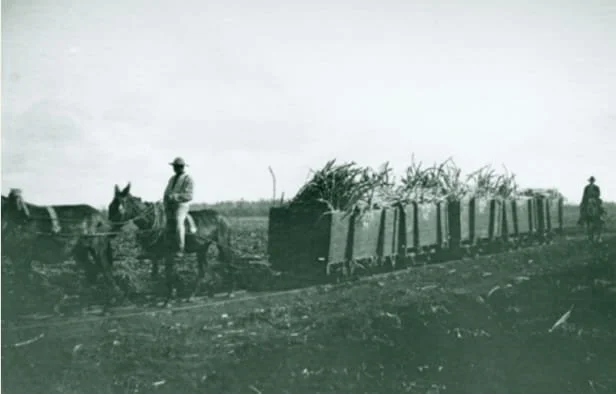
Retrieve
When We Come to Anthropology, Elsewhere Comes with Us

Refusal as Care
Dear Graduate Student…
Op-Eds
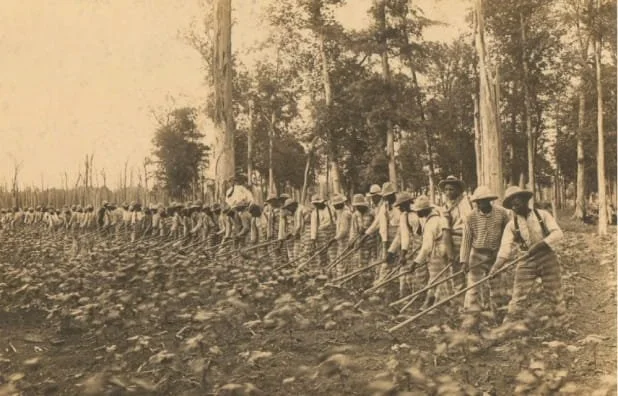
Overthrowing the Food System’s Plantation Paradigm (with Randolph Carr)
Journal Articles
Fieldwork with the Dead and Other Considerations: An Interview with Ashanté M. Reese
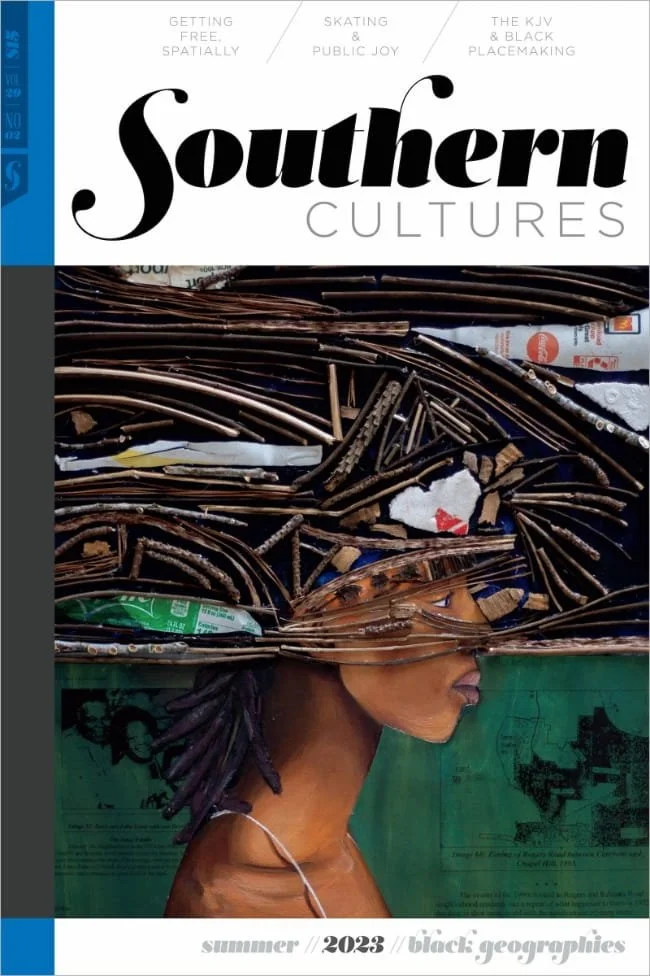
What Remains?Ethnographic Archives and Speculative Black Geographies
We All We Got
Urban Black Ecologies of Care and Mutual Aid
Food and carcerality: From confinement to abolition
Thinking with Our Hands: A Conversation with Professor Ashanté Reese
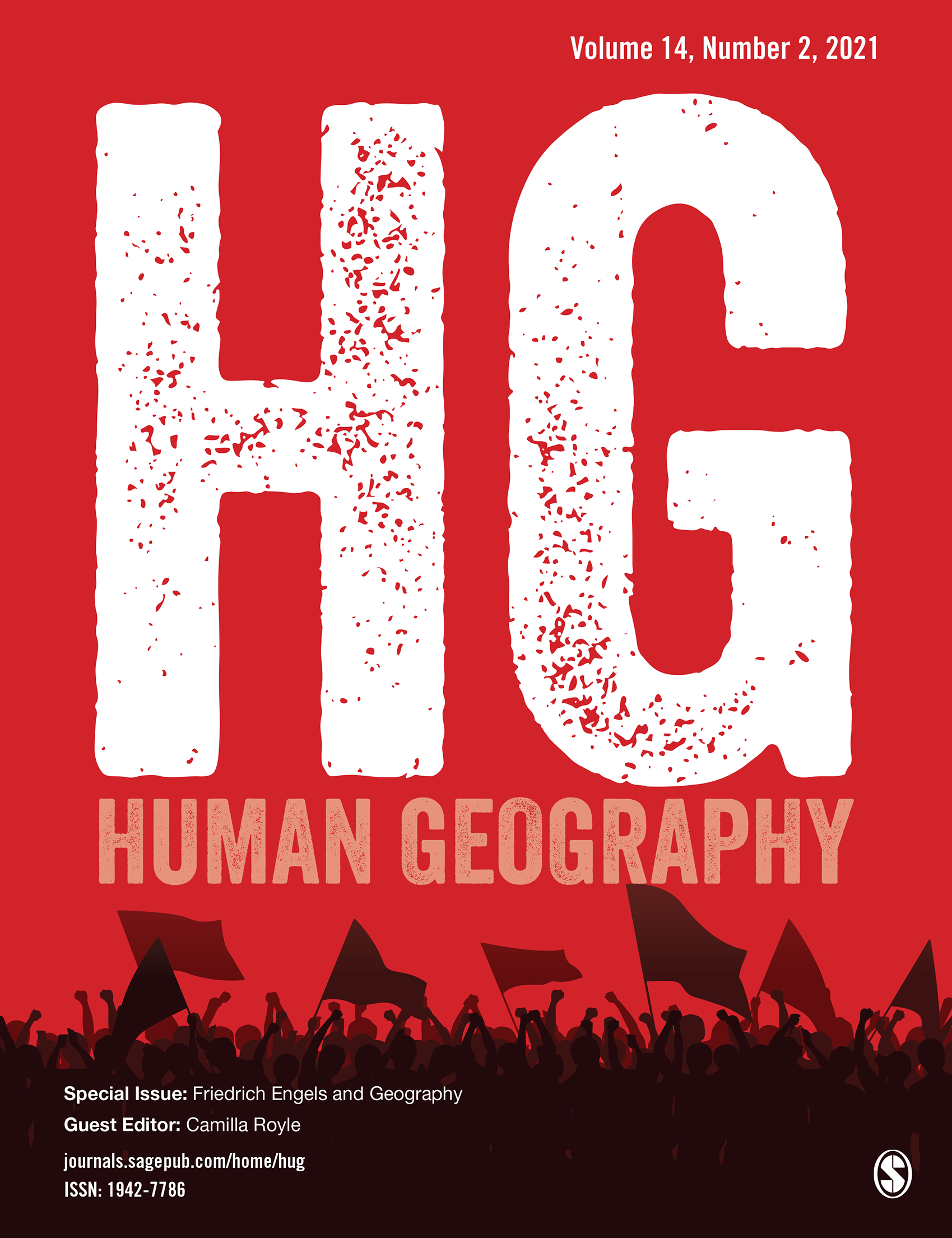
“D.C. is mambo sauce”: Black cultural production in a gentrifying city

Jailbreak of the Imagination:Anthropology and the Practice
of Abolition

Making Spaces Something Like Freedom: Black Feminist Praxis In The Re/Imagining Of A Just Food System

More Than Mapping: Improving Methods for Studying the Geographies of Food Access